Introduction
Fuel, APA, and additional operating costs are often the least understood aspects of a yacht charter on the French Riviera. While base charter rates are usually discussed upfront, the variable costs that sit alongside them can materially affect the final charter total. These costs are not arbitrary; they are direct consequences of how yachts operate in a dense, regulated, high-demand cruising environment.
On the Riviera, short distances do not equate to low operating costs. Ports such as Saint-Tropez, Monaco, and Cannes impose access constraints, congestion, and marina pricing structures that shape fuel use and daily expenses. As a result, two charters with the same base rate can produce very different final costs depending on routing, timing, and operational choices.
This article explains how fuel, APA, and extra costs work on a French Riviera yacht charter. It focuses on how these costs are generated in practice, how they are managed onboard, and why variability is normal rather than exceptional.
Short Answer
Fuel, APA, and extras are variable expenses that sit on top of the base yacht charter rate on the French Riviera. APA is a prepaid fund used to cover fuel, food, marina fees, and other operating costs during the charter. These costs fluctuate based on routing, congestion, port access, and season. Understanding how they work allows for realistic budgeting.
Expert Insight from Navélia Yacht Charters
On the Riviera, variable costs are driven by how the yacht moves, not how far it travels. Fuel consumption, marina fees, and APA usage reflect congestion, port access, and timing decisions. Charters that are planned defensively tend to be more cost-stable. Transparency around these costs is essential to avoiding surprises.
What Makes This Different on the French Riviera
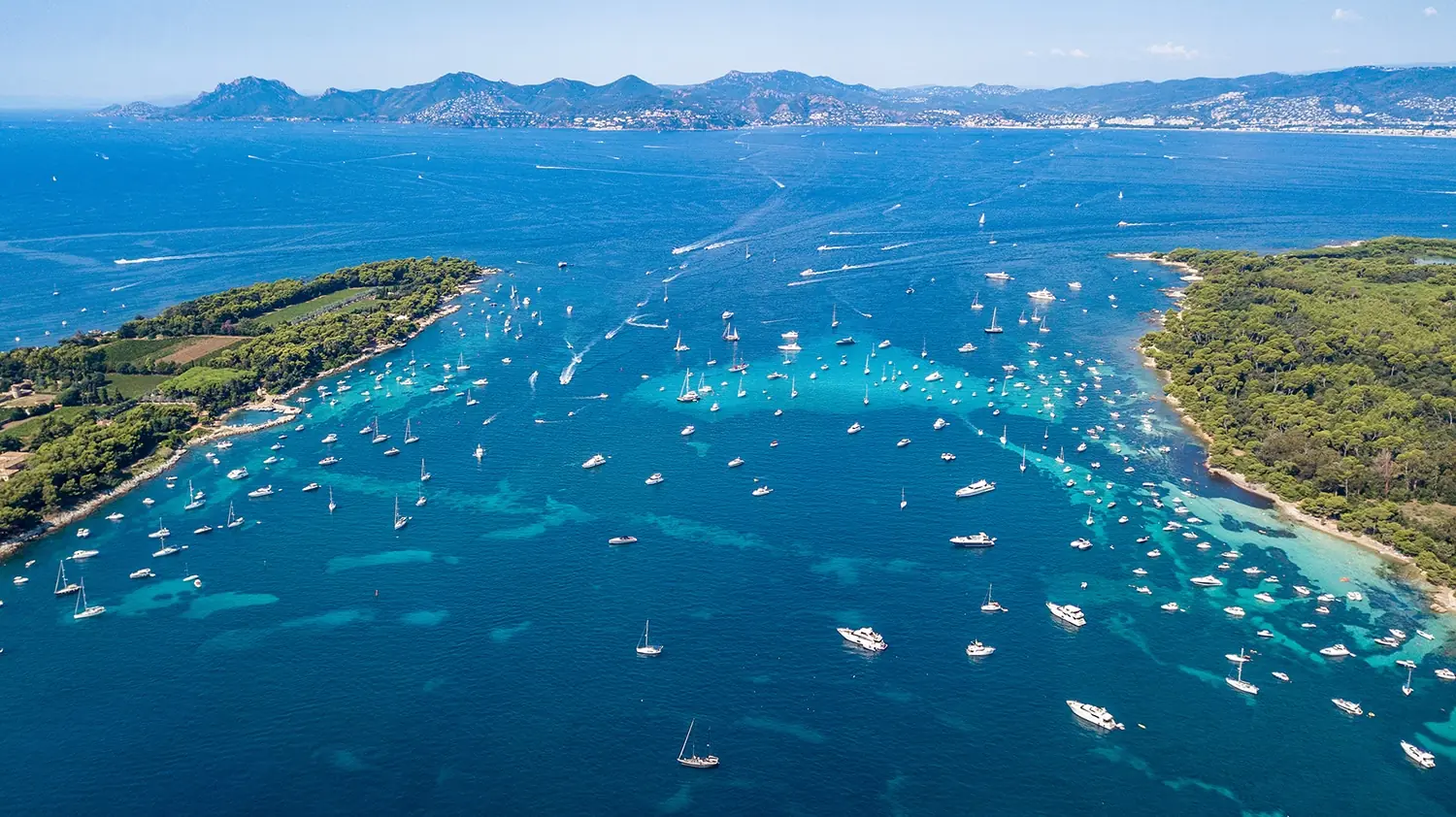
The French Riviera compresses charter yacht activity into a short coastline. Unlike regions where yachts anchor freely for extended periods, Riviera charters involve frequent manoeuvring, port entries, and controlled approaches.
Fuel consumption increases not because of long passages, but because of slow-speed operations, holding position, repeated docking, and tender deployment. Marina fees are among the highest in Europe, particularly during summer. These structural factors make variable costs a defining feature of Riviera charters. Understanding this context explains why APA and fuel costs are more prominent here than in less congested cruising areas.
The Base Charter Rate Versus Operating Costs
The base charter rate covers the use of the yacht, professional crew, insurance, and standard onboard equipment. It does not include the costs of running the yacht during the charter. Operating costs — fuel, food, port fees, and consumables — are variable and depend on how the yacht is used. These costs are funded through APA. Separating base rate from operating expenses allows flexibility but requires clear communication and planning.
What Is APA and How It Works
APA, or Advance Provisioning Allowance, is a prepaid amount collected before the charter begins. On the French Riviera, APA typically ranges from 25% to 35% of the base charter rate, depending on yacht size and itinerary. APA is held by the captain and used to pay expenses incurred during the charter.
Detailed accounts are kept, and unused funds are returned at the end of the charter. APA is not a fee; it is a working fund that fluctuates based on real expenses.
Fuel Costs: Why Short Distances Still Add Up
Fuel is one of the largest variable costs on the Riviera. While distances between ports are modest, fuel usage is driven by operating conditions rather than mileage. Slow-speed manoeuvring in congested waters consumes fuel inefficiently. Frequent port entries, dynamic positioning, and holding position while waiting for access increase consumption. Fast-planing yachts consume more fuel at speed, but even displacement yachts incur costs through constant manoeuvring. Fuel usage is highest during peak season when congestion is greatest.
Marina and Port Fees
Marina fees on the Riviera are significant and highly variable. Costs depend on yacht length, port, season, and availability. Berthing in Saint-Tropez or Monaco during summer can represent a substantial daily expense. Port fees may also include electricity, water, waste services, and port authority charges.
How to Manage Extra Costs Effectively
- Discuss APA expectations with your charter broker before booking
- Choose anchorage-based itineraries to reduce port fees
- Pre-provision food and beverages to avoid marina markup
- Plan fuel-efficient routing with your captain
- Consider shoulder season (May–June, September) for lower operating costs
For a transparent cost estimate for your charter, contact Navélia with your dates and preferences.
Frequently Asked Questions
What percentage of the charter fee is APA?+
APA typically ranges from 25% to 35% of the base charter rate on the French Riviera, depending on yacht size and planned itinerary.
Is unused APA refunded?+
Yes. The captain keeps detailed accounts, and any unused APA is returned to guests at the end of the charter.
Why are fuel costs high on short Riviera routes?+
Fuel consumption is driven by operating conditions — slow-speed manoeuvring, port entries, holding position — rather than distance. Congested waters increase consumption.
Related Articles

"The crew anticipated our every need, and the itinerary was perfectly curated." — Edward & Isabelle T., London
Ready to plan your French Riviera voyage?